
Industries
Security Support for Warehouse and Logistics Operators in London
Operational security support for warehouse operators, logistics businesses, depots, and distribution centres that need tighter control over access flow, contractor activity, loading bays, and stock movement across London.
Built for warehouse and logistics operators
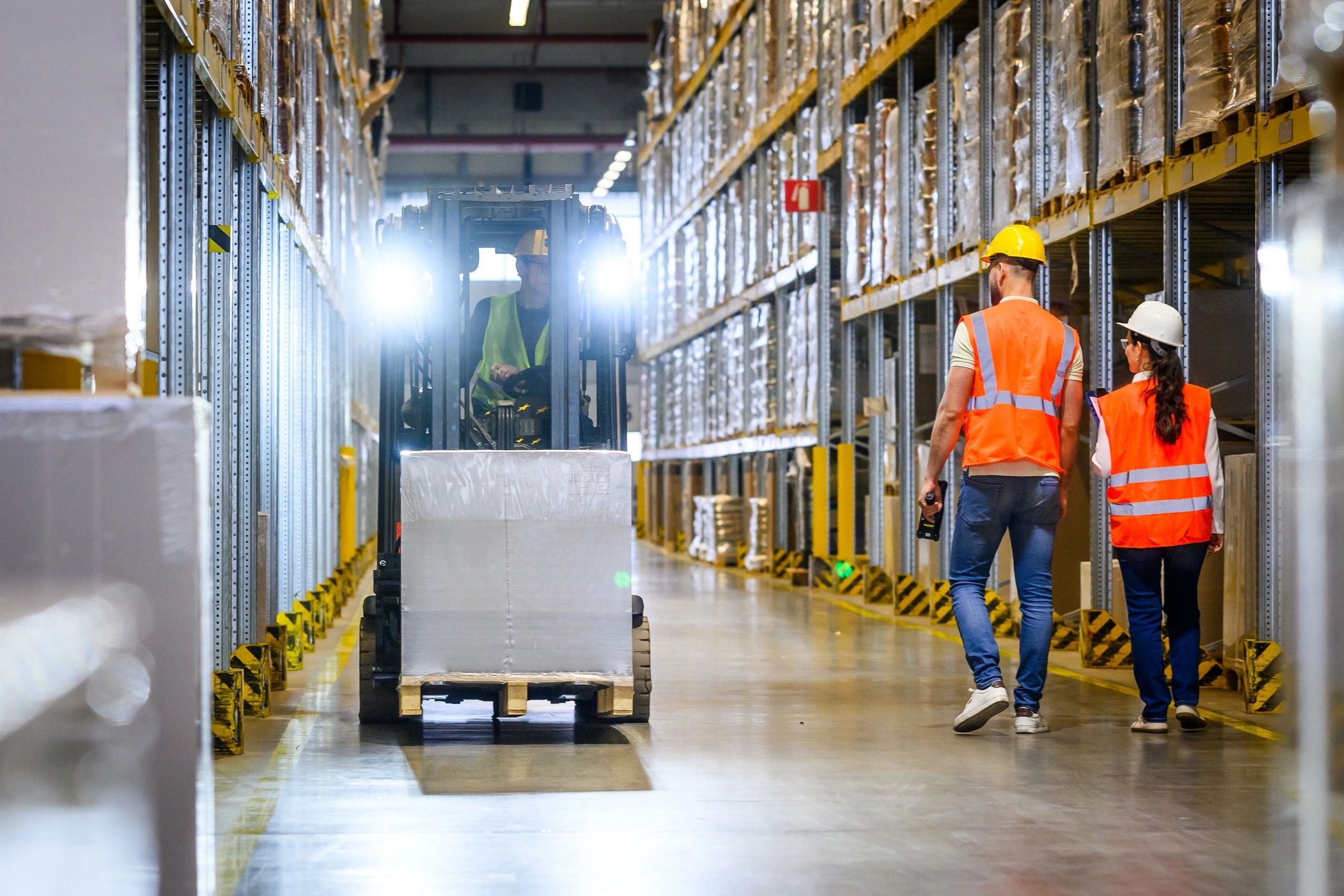
Warehouse and logistics sites rarely stand still. Vehicles arrive to schedule and outside schedule, agency staff rotate through shifts, pallets move between bays and storage areas, and goods-in and goods-out activity can create pressure points throughout the day and night. For operators managing service levels, stock accuracy, dispatch performance, and transport deadlines, site control has to support the operation rather than slow it down.
This page is focused on the warehouse and logistics sector rather than a generic guarding brief. We work with warehouse operators, third-party logistics providers, fulfilment businesses, regional depots, and multi-unit distribution sites across London that need stronger control over who is entering the site, how loading bays and yards are managed, where vehicles are moving, how stock areas are protected, and how incidents are recorded when operations are busy.
Where a site needs dedicated guarding support, clients can also explore our warehouse security service for on-site guarding, gatehouse control, and patrol coverage. Many logistics businesses also combine site coverage with remote CCTV monitoring for warehouse sites or alarm response for out-of-hours incidents depending on operating hours, stock profile, and perimeter risk.
Operational pressure points
- Loading bays with constant vehicle turnover
- Goods-in and goods-out handover periods
- Shift changes and staff entry points
- Contractor and driver access control
- Perimeter fencing, gates, and yard areas
- High-value stock and restricted storage zones
How logistics risk shows up in practice
Loading bay exposure
Busy bays create short windows where stock is exposed, doors are open, and drivers or third parties are moving close to controlled areas. Without clear supervision, goods can be removed, misplaced, or left vulnerable during handover.
Vehicle and yard flow
Depots and distribution sites often have rigid delivery schedules, reversing areas, waiting vehicles, and multiple entry routes. Poor control at the gate or in the yard can quickly affect safety, access, and accountability.
Shift-based staffing
Early starts, night shifts, weekend cover, and agency labour all increase the need for reliable sign-in procedures and visible control over who is on site at any given time.
Stock movement and shrinkage
High-value goods, fast-moving inventory, and restricted storage areas require stronger oversight than a standard commercial premises. The risk is not only forced entry but also avoidable loss during routine operations.
Contractor and visitor access
Maintenance teams, cleaners, transport partners, and temporary contractors all need access at different times. Clear access control helps separate authorised activity from unnecessary risk.
Perimeter weak points
Large sites can have multiple gates, rear service roads, fence lines, and low-visibility areas. Out-of-hours breaches often happen where perimeter routines are inconsistent or reporting is weak.
Supporting different warehouse and depot environments
Not every warehouse operation runs in the same way. A last-mile distribution hub in an urban location has different priorities from a regional depot, a storage-led facility, a cross-dock site, or a multi-tenant industrial estate. We work with clients to understand how the site functions before recommending the right level of control, reporting, and on-site presence.
Sites we commonly support
- Distribution centres and fulfilment hubs
- Logistics depots and transport yards
- Storage and stockholding facilities
- Industrial estates with shared access routes
- Manufacturing sites with warehouse space
- Multi-unit commercial logistics premises
What logistics operators usually need
- Reliable control at gates, staff entrances, and loading bay access points
- Clear procedures for drivers, contractors, and visiting transport teams
- Better visibility over loading, unloading, and dispatch periods
- Stronger perimeter checks outside core hours
- Professional incident reporting for management review
- Support that fits around shift patterns, transport schedules, and stock movement
For clients operating across multiple sites, consistency matters. Reporting standards, escalation routes, and officer handovers need to be dependable so local issues do not become wider operational problems.
A practical depot scenario
A London distribution site may receive inbound deliveries from early morning, run continuous picking and packing through the day, and dispatch vehicles into the evening. During those periods, the main risks are rarely limited to a single break-in threat. More often, issues build around uncontrolled access, open bay doors, unauthorised movement near stock, confusion around driver arrivals, contractor activity in operational areas, and weak oversight during shift handover periods.
In that environment, site control needs to align with operations. That can mean controlling entry at the gatehouse, checking contractor access, managing driver flow, monitoring yard activity, recording incidents properly, and escalating concerns quickly to site management. Where the risk profile is higher, clients may also need support from warehouse security officers for gatehouse, patrol, and access control duties or linked monitoring through CCTV monitoring for warehouse and logistics operations.
The objective is straightforward: protect stock, maintain control, and support a site that has to keep moving.
Warehouse operator FAQs
What are the main security risks for warehouse operators?
The main risks usually include unauthorised access, loading bay theft, perimeter breaches, weak control over drivers and contractors, stock shrinkage, and poor visibility during shift changes or busy dispatch periods.
Why do logistics sites need a different approach from offices or retail units?
Logistics sites have more vehicle movement, more access points, more operational handovers, and a faster pace of activity. Security has to work around transport schedules, stock movement, and yard operations rather than a standard front-of-house environment.
How can warehouse operators improve control over drivers and contractors?
Clear sign-in procedures, controlled access routes, gatehouse checks, delivery booking processes, and accurate records all help. The right process depends on the site layout, traffic volume, and how often third parties need access.
What areas of a warehouse site are usually most vulnerable?
Loading bays, rear service yards, perimeter fencing, staff entrances, and restricted stock areas are often the most vulnerable, especially during busy handover periods or outside normal operating hours.
Can warehouse operators combine guarding with other support services?
Yes. Many warehouse and logistics clients combine on-site coverage with alarm response for warehouse premises, CCTV monitoring for distribution and storage sites, or broader commercial support depending on the site profile and hours of operation.
Support for warehouse and logistics operators across London
Horizon Security Services Ltd supports warehouse operators, logistics businesses, depots, and distribution centres across Greater London with practical, compliance-focused planning and dependable on-site delivery. For site-specific requirements, speak with our team about your operation, access flow, loading areas, and current risk profile.